The 16:8 fasting protocol that works brilliantly for men can systematically disrupt estrogen and progesterone in women. Dr. Mindy Pelz’s Fast Like a Girl methodology explains exactly why — and what to do instead.

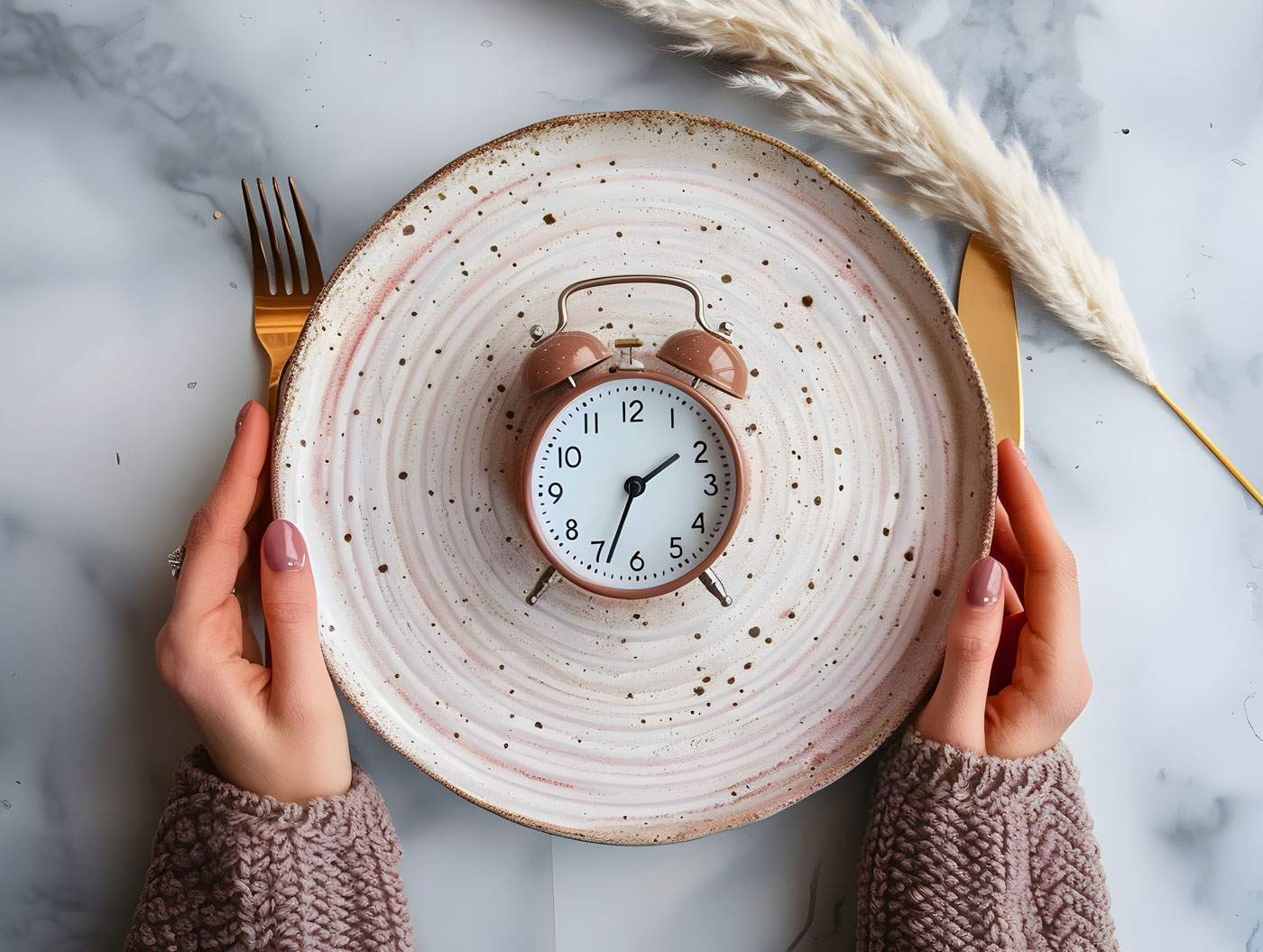
I lost 45 kilograms through intermittent fasting. I was doing what every wellness expert told me to do. I skipped breakfast, ate in an eight-hour window, and pushed through the hunger because that was the protocol.
And then my hair started falling out.
Not a little. In clumps. Handfuls in the shower, on my pillow, in my brush. And then my cycle stopped altogether.
I was not doing anything wrong by the protocols I had been given. I was doing everything right, but my body was shutting down.
What nobody had told me — what most of the wellness industry still does not tell women — is that the fasting science we have all been handed was built almost entirely on male subjects. And male bodies and female bodies do not respond to fasting the same way. Not even close.
Why male and female bodies respond differently to fasting
Men operate on a 24-hour hormonal cycle. Their testosterone, cortisol and other key hormones rise in the morning and taper through the day. A consistent daily fasting protocol — like 16:8 — aligns reasonably well with this rhythm.
Women operate on a 28 to 32 day hormonal cycle. Estrogen, testosterone and progesterone rise and fall across four distinct phases — follicular, ovulatory, luteal, and menstrual — and the body’s nutritional needs, metabolic rate, stress tolerance, and relationship with insulin change significantly in each phase. Dr. Mindy Pelz references these phases as Power Phase 1 (day 1 of bleed to day 10), Manifesting Phase (ovulation from day 11 – 15), Power Phase 2 (day 16- 19) and the Nurture Phase (days 20 to bleed).
Here is the problem: chronic fasting — particularly extended daily fasts — raises cortisol. In men, a temporary cortisol spike is largely tolerable. In women, elevated cortisol directly affects the production of estrogen and progesterone. It signals to the brain’s hypothalamus that the body is under stress, that resources are scarce, and that reproduction — and by extension, the entire hormonal cascade that depends on reproductive hormones — should be deprioritised.
The result: hair loss (estrogen feeds hair follicles — remove estrogen, the follicles let go), cycle disruption (the body stops menstruating as a conservation measure), mood dysregulation, weight gain around the abdomen, and the very brain fog and fatigue that fasting was supposed to fix.
This is not a flaw in the woman. It is a flaw in the advice.
Dr. Mindy Pelz and the Fast Like a Girl methodology
Dr. Mindy Pelz spent years researching why women were not getting the same results from fasting as men — and why some women were actively harming themselves following protocols designed for a different hormonal reality.
Her Fast Like a Girl methodology is built on a foundational insight: women should fast in alignment with their hormonal cycle, not against it.
In simple terms:
- During the first part of the cycle (days 1–10 approximately), rising estrogen makes the body more resilient and more responsive to fasting. Longer fasting windows — including extended fasts — are better tolerated and more effective.
- As progesterone begins to rise during ovulation and into the second half of the cycle, the body’s requirement for glucose increases. Shorter or lighter fasting windows, and increased food intake — particularly of nature’s carbohydrates — support progesterone production and reduce cortisol.
- In the week before menstruation, the body needs nourishment, not restriction. Fasting in this window is the most disruptive to progesterone production, hormonal health, and the most likely to produce the symptoms — hair loss, cycle disruption, mood dysregulation — that I experienced.
I became a certified Fast Like a Girl Coach because this methodology gave me my health back. My hair grew back. My cycle returned. My energy recovered. And I understood, for the first time, why my body had responded the way it did — not as a failure, but as intelligence.
What this means for the working woman
For the working woman who is trying to manage her weight, her energy, her brain clarity, and her performance — this matters enormously.
The standard wellness advice she has been given — intermittent fasting, low-calorie diets, high-intensity exercise every day — was not built for her biology. Following it without hormonal awareness can produce the opposite of the intended result: more fatigue, more brain fog, more weight gain, more anxiety. And because she does not know why, she concludes that she is the problem.
She is not the problem.
In the Lunar Living workshop, we cover exactly this: how to eat, when to fast (and when not to), how to time movement, and how to build a nutrition strategy that works with the hormonal cycle — not against it. Not as a lifestyle overhaul, but as practical knowledge she can start using immediately.
Because the only thing standing between most working women and genuinely better health is the information they were never given.
→ I lost 45kg and then lost my hair — personal story
→ Cortisol: the root of most hormonal disruption
Learn what the Lunar Living workshop covers